

Is the dire wolf, once believed to be extinct, making a comeback? | Explained
How did Colossal Biosciences use the genome of gray wolves to bring back dire wolves? Why do people consider de-extinction controversial and impractical? How will it impact environmental landscapes? Can ancient species survive in today’s world?
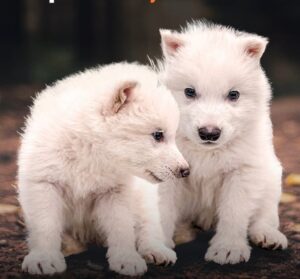
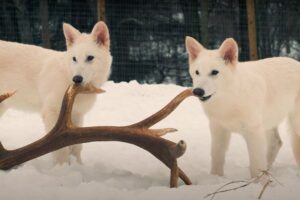
The story so far: On April 7, a biotechnology company in Texas, U.S., called Colossal Biosciences announced that it had “resurrected” a dire wolf, a large predator that went extinct over 12,000 years ago. The company’s claim of birthing three dire wolf pups drew a mix of wonder and delight. Videos of the baby wolves howling became popular, with the company stating their howls were the first to be heard on earth in 10,000 years.
Have dire wolves been de-extincted?
This small difference is huge in genetic terms. Humans and chimpanzees share about 98.77% of their DNA, but no one would confuse one for the other. In wolves, the 0.06% difference still equals 1.47 million base pairs that differ between the two species.
These differences are what make the two animals unique. To create these ‘dire wolf’ pups, scientists at Colossal edited the genome of a gray wolf and implanted embryos with the modified genome into surrogate dog mothers. While Colossal hasn’t shared the specific changes its scientists made, it states on its website that it made “precise genetic edits at 20 loci across 14 genes” on the genome of a gray wolf to “recreate” the dire wolf. This means that even if there were a few hundred individual edits across those 20 loci (or positions on the genome), the new animals likely contain only 0.02% of the changes needed to be a true dire wolf. This is an optimistic estimate. In other words, the new wolf pups are far from being dire wolves.
The 20 locations where Colossal scientists edited the gray wolf genome all seem to be areas that would lead to cosmetic changes. For example, one of these regions is on a gene called LCORL, which is responsible for the larger size of dire wolves. Other edits involve genes that play a role in fur color and density. Therefore, Colossal Biosciences can be said to have created gray wolves that resemble dire wolves.
While the genetic differences already cast doubt on Colossal’s claims, a 2021 study published in Nature raised a more important issue. The study suggested that, despite genetic similarities, dire wolves may not be true wolves but rather a separate canid lineage that branched off long before modern wolves evolved. This led scientists to reclassify dire wolves, changing their species name from Canis dirus to Aenocyon dirus. This means that the behavior, social structure, and ecological roles of dire wolves are likely different from those of modern wolves.
Why is de-extinction controversial?

Colossal has stated on its website that its mission is to secure the health and biodiversity of our planet’s future. To accomplish this, the company plans to revive several extinct species, including the woolly mammoth, the thylacine, and the dodo, and bring them back into the wild. However, bringing back animals that lived thousands of years ago, such as the dire wolf or woolly mammoth, poses significant ecological risks. The environmental conditions, plant communities, prey species, and climate that once supported these animals no longer exist. Modern landscapes are fragmented and heavily modified by human activity.
Reintroducing extinct species to such drastically changed habitats could cause more harm than good—possibly disrupting current ecosystems instead of restoring ancient ones.
How is conservation changing?
Misguided claims like these can harm lawmakers’ priorities. For example, The Washington Post reported that Colossal’s announcement about the dire wolf supported the Trump administration’s plan to weaken federal protections for endangered species.
It quoted Interior Secretary Doug Burgum, who said that innovation, not government regulations, will protect species.
Scientists estimate that 99.9% of all species that ever lived on Earth are now extinct. Dire wolves likely went extinct at the end of the last ice age when their main prey, large herbivores, began to decline. The idea of bringing back extinct animals is certainly intriguing, but it may be wiser to use this technology to protect and strengthen existing ecosystems instead of reviving extinct ones.
The birth of genetically modified gray wolf pups may signal the start of a new era in conservation. However, there is uncertainty about what kind of era it will be. The sound of the first dire wolf howl in 10,000 years seems less like a triumphant echo from the past and more like a warning for the present, urging us to reconsider the path we are on.
