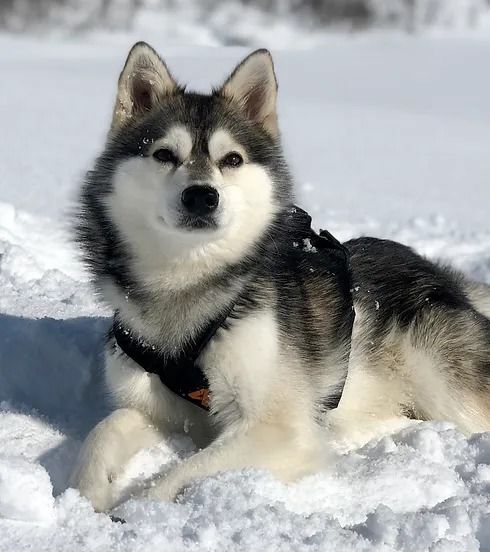
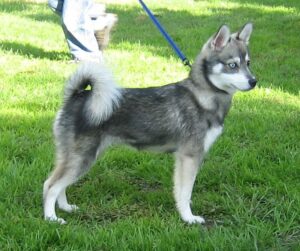
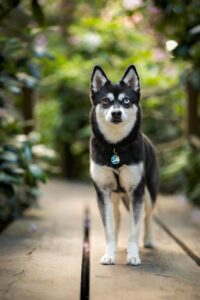
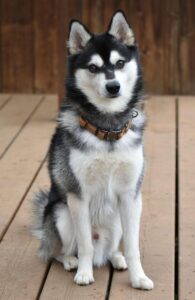
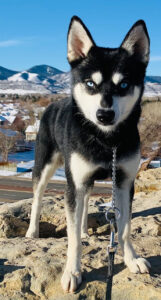
With a look similar to his larger relatives, the Siberian and Alaskan Huskies, the Alaskan Klee Kai is an active companion for those who can provide enough exercise for these dogs. The breed comes in three sizes. They are intelligent and tough but can also be stubborn and usually distant with strangers. The coat color and look of the dog resemble that of a Husky. Their primary colors are gray, black, or red, with contrasting white on the inner ears, lower face, chest, abdomen, and feet.
Alaskan Klee Kai Scientific Classification
| Kingdom | Animalia |
| Phylum | Chordata |
| Class | Mammalia |
| Order | Carnivora |
| Family |
|
| Genus | Canis |
| Scientific Name |
|
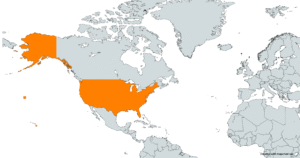
Alaskan Klee Kai Locations
Alaskan Malamute Facts
| Fun Fact |
|
|
6 | Color |
|
| Distinctive Feature |
|
|
Working |
|
|
| Temperament |
|
Common Name |
|
Lifespan | 10 – 14 years |
| Training |
|
Slogan |
|
Weight | 75 – 85 lbs |
| Diet |
Omnivore
|
|
Dog | Height | 23 – 25 inches |
3 Pros and Cons of Owning an Alaskan Klee Kai
| Pros! | Cons! |
|---|---|
| Affectionate: This is is a good companion for families with children due to their love of play. |
Can suffer from separation anxiety: Many of this breed experience separation anxiety, especially if they haven’t released their energy through exercise, and this can result in destructive chewing and digging. |
| Loyal to their family: Alaskan Klee Ka is are attentive and loving with their families though they can be cautious around people they don’t know. |
Can be difficult to train: Because Alaskan Klee Ka is are smart but stubborn, training can be a challenge for an inexperienced pet owner. Enrolling in a puppy training class can help and short, regular training sessions generally yield the best results. |
| Good watchdog: This dog breed’s alert nature makes them excellent watchdogs. |
Should never be trusted off lead: there has a high prey drive and slow recalls so should always be kept on a leash when walking or outdoors. |
Types of Alaskan Klee Kais and Alaskan Klee Kai Mixes
There has three size categories: toy, miniature, and standard. The only difference is their adult height. Their temperament and coat markings are the same.
With only around 700 dogs in the breed, there aren’t many mixes available. Some people have crossed the Alaskan Klee Kai with the Havanese. The offspring are called Hava Klee (also written as Havaklee or HavaKlee). Hava Klee often gets the blue eyes, facial features, and temperament of the Alaskan Klee Kai. This rare breed does well in small spaces, but since it is very active and high-energy, it needs regular play and interaction with people.
Evolution and Origins
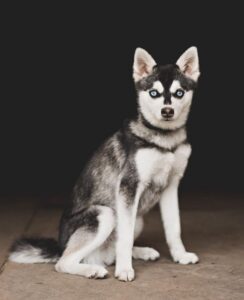
Some common beliefs about this dog are incorrect. It is not simply a miniature Husky; it is its own distinct breed developed as a companion, while Huskies are working dogs.
The name Alaskan Klee Kai means “small dog” in the indigenous Athabaskan language. This breed was developed in Wasilla, Alaska, during the 1970s and 1980s by Linda Spurlin and her family. They aimed to create a compact breed for those who loved the Siberian Husky. To avoid unhealthy dogs that could result from breeding extra-small Huskies, the Spurlins mixed the Alaskan Husky with the Siberian Husky, American Eskimo Dog, and Schipperkes.
Although the breed became recognized by the American Kennel Club in 2020, it remains rare.
Size and Weight
| Height (Toy): | 13 inches or less |
| Weight (Toy): | 6 to 12 pounds |
| Height (Miniature): | 13 to 15 inches |
| Weight (Miniature): | 10 to 18 pounds |
| Height (Standard): | 15 to 17.5 inches |
| Weight (Standard): | 16 to 25 pounds |
Common Health Issues
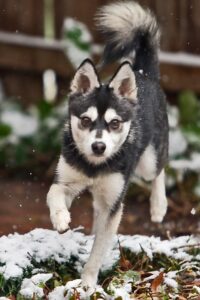
One reason many genetic conditions are not common in this breed is its low popularity. Because it is not very popular, it has avoided some of the over-breeding problems that affect other breeds. However, the small gene pool of the Alaskan Klee Kai makes it essential to choose your puppy from a reputable breeder or rescue.
Temperament
The breed tends to be cautious or even aloof around strangers. However, it is attentive and loving with its family. They may feel nervous around small children, so it’s important to spend time on socialization. The Alaskan Klee Kai’s alert nature makes it an excellent watchdog.
How to Take Care of an Alaskan Klee Kai
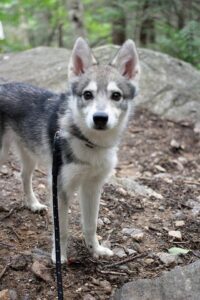
The Alaskan Klee Kai is an attractive and friendly dog, making it a great choice for those seeking a companion. Keep in mind that the breed requires regular exercise, can be stubborn, and needs socialization to avoid shyness. While they can be great pets, they might not be the best fit for first-time dog owners.
The Best Dog Food for the Alaskan Klee Kai
Feed your puppy at least twice a day. The portion size depends on your puppy’s adult size; standard pups will eat more than toy-sized ones. No matter how much or how often you feed, make sure your puppy has access to clean, fresh water.
Alaskan Klee Kai dogs are high-energy and can face some health issues. Choose dog food that promotes your dog’s health from the inside out. A good option is selecting high-quality organic dog food.
Since thyroid problems can be a concern for the Alaskan Klee Kai, Purina Beyond Organic High Protein Dry Dog Food and Wet Dog Food avoids many additives that could harm the delicate endocrine system.
The main ingredient is free-range chicken, ensuring your Alaskan Klee Kai gets essential nutrients like protein, vitamins, and minerals. The balanced nutrition and lack of added growth hormones, antibiotics, artificial dyes, preservatives, flavors, or synthetic pesticides and fertilizers allow you to feel more at ease about your dog’s immune and endocrine systems, heart, and liver.
Maintenance and Grooming
This breed has a double coat. To reduce shedding in your home and keep your Alaskan Klee Kai looking its best, plan to groom it a few times a week. These dogs will shed significantly twice a year when they lose their undercoat. Be ready for daily brushing during the week or two of this shedding each spring and fall.
Training
This breed is smart but can also be stubborn. This combination can make training difficult for inexperienced pet owners. Signing up for a puppy training class right away or working with a skilled trainer can help ease frustrations for both you and your dog. Patience and short, frequent training sessions usually lead to the best results.
Exercise
Even though the Alaskan Klee Kai isn’t a large breed, they are very active. It’s important to have a fenced yard where they can expend energy while staying safe. They need active playtime because if they are left alone in the yard for too long, boredom can lead to destructive behavior.
Famous Alaskan Klee Kais
While there aren’t any specific dogs that are famous due to the rarity of the breed, some notable owners of Alaskan Klee Kais have emerged.
Celebrity couple Joe Jonas, a singer in the Jonas Brothers, and actor Sophie Turner used to own two Alaskan Klee Kais: one named Porky Basquiat and the other, Waldo Picasso, who tragically passed away in a car accident in 2019. The breed’s popularity rose after an Alaskan Klee Kai named Nike, owned by Bill Belichick, head coach of the New England Patriots football team, appeared on TV during the NFL draft in 2020.
Popular Names for Alaskan Klee Kais
Popular names for the breed often reflect its cold-weather origins. Common names include:
– Kodiak
– Atka
– Igloo
– Yukon