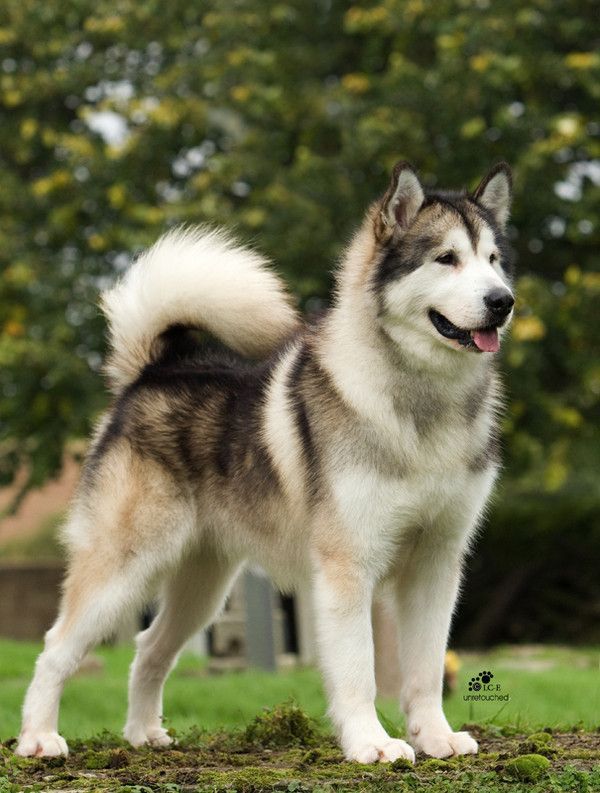
The Alaskan Husky is an athletic working dog that comes from a mix of several similar breeds, likely developed nearly 10,000 years ago. It is closely related to the Alaskan Malamute and Siberian Husky. Later, it was crossed with some European breeds, including German pointers and the Saluki. Some of these dogs even have recent wolf ancestry. They were bred to do specific jobs in Alaska and Canada, such as transporting goods, hauling logs, racing sleds, and delivering supplies to remote areas.
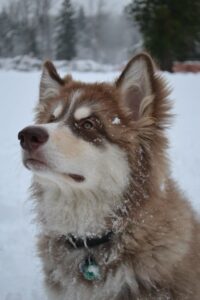
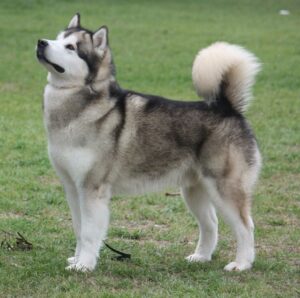
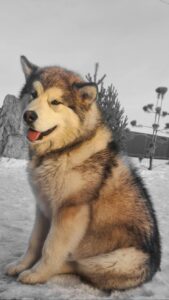
These dogs can withstand the harsh conditions of the cold north, making them excellent sled dogs and companions. Alaskan Huskies belong to the spitz group, which is known for thick white fur, pointed ears, long snouts, and curled tails. There is no set breed standard, so Alaskan Huskies can have a wide range of physical traits. They are bred for speed and endurance rather than appearance. This means they need an efficient gait, a warm double coat, and webbed feet that function like snowshoes. Their fur can be a mix of white, black, gray, brown, and even red.
Alaskan Husky Scientific Classification
| Kingdom | Animalia |
| Phylum |
|
| Class | Mammalia |
| Order |
|
| Family |
|
| Genus |
|
| Scientific Name |
|
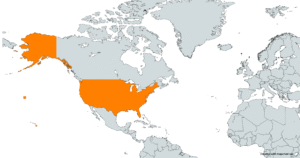
Alaskan Husky Locations
3 Pros And Cons Of Owning An Alaskan Husky
| Pros! | Pros! |
| Strong and Athletic The Alaskan Husky is a great exercise companion and hard worker. |
High Intensity This dog has a voracious need for exercise. It is probably not suited for apartment living. |
| Friendly and Affectionate This dog will form a deep bond with its owner. |
Headstrong This dog can be a little stubborn at times. |
| Intelligent and Trainable The Alaskan Husky is able to learn lots of different human commands. |
Needy The Alaskan Husky needs a lot of attention from its owner. |
Size and Weight
The Alaskan Husky is a medium to large dog with an athletic build. It has been bred for speed and endurance, but it also needs to be strong enough to pull a sled over long distances. Since there are no breed standards, the Alaskan Husky can be found in a wide range of sizes.
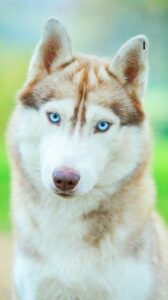
| Height (Male) | 23 to 26 inches |
| Height (Female) | 23 to 26 inches |
| Weight (Male) | 35 to 65 pounds |
| Weight (Female) | 35 to 65 pounds |
Common Health Issues
Despite being generally healthy and living an average of 10 to 15 years, the Alaskan Husky may face several health conditions. These include hypothyroidism, progressive retinal atrophy, other common eye disorders, obesity, cancer, a congenital issue with the larynx that causes wheezing, and a group of rare metabolic disorders known as lysosomal storage disease.
It’s wise to ask your breeder for proof or certification that their dogs have been tested for common issues. This won’t guarantee that health problems won’t occur, but combined with regular vet checkups, it will improve your dog’s chances of living a good life. In summary, here are the most common health problems in Alaskan Huskies:
– Obesity
– Eye Disorders
– Cancer
– Hypothyroidism
Temperament
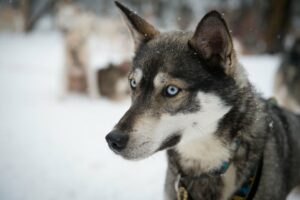
The Alaskan Husky has many personality traits bred for its original role as a sled dog. However, you don’t need to be a sled racer to enjoy these captivating dogs. Since they work in large teams, Alaskan Huskies must get along well with people and other animals. They form strong bonds with both.
These dogs are built for speed and endurance and require ample space to run and play, so they don’t do well in apartments. Alaskan Huskies are curious and playful, sometimes becoming quite rambunctious. They can test the patience of even the most understanding owner, especially if they feel bored or ignored. They need almost constant mental and physical stimulation to stay satisfied. Owners should be ready to spend a lot of time with this dog.
How To Take Care Of The Alaskan Husky
The Alaskan Husky is likely not suitable for new or casual dog owners. They need an experienced and engaged owner who has the time and ability to meet their significant needs. If you have any questions or concerns about owning this breed, consult with your vet.
The Best Dog Food For Alaskan Huskies
Alaskan Husky vs. Siberian Husky – Alaskan Husky
Alaskan Huskies have a tendency for hypothyroidism, so snacks should be kept to a minimum.
An adult Alaskan Husky needs high-quality food that is high in both protein and fat. The amount of food should depend on the dog’s size, age, and activity level. Given its tendency for hypothyroidism and obesity, owners should limit snacks and choose food that helps build and maintain lean muscle with exercise.
Purina Pro Plan Sport, Energy & Vitality Support, High Protein 30/20 Salmon Dry Dog Food & Wet Dog Food offers a protein-rich diet to keep Alaskan Huskies active and fit.
With 30% protein and 20% fat, the amino acids in this real salmon food support muscle growth, while glucosamine helps with joint mobility. Additionally, vitamin A may support your Alaskan Husky’s eye health.
You can find Purina Pro Plan Sport, Energy, and Vitality Support High Protein Dog Food on Amazon or Chewy.
Maintenance And Grooming
These dogs have a thick double coat that requires grooming at least once or twice a week to remove loose hair and prevent matting. Once shedding season starts, you may need to brush your dog every day. This should be combined with occasional ear cleaning, good dental hygiene, and regular nail trimming if the nails become too long.
Training
Despite their ability to learn commands quickly, these dogs can be a bit headstrong and stubborn. It’s best to start training them right away, around eight weeks old, when they are most open to learning. If you wait until they are over six months old, training may become more difficult. Positive and patient reinforcement methods are most effective in encouraging your dog to accept training.
Exercise
These dogs are not for the faint of heart. They are strong and athletic, bred to pull heavy sleds through the snow. An Alaskan Husky requires at least an hour of exercise each day, but leisurely walks alone won’t be enough. This breed needs plenty of opportunities for free running, hiking, sports, games, and other vigorous activities. It’s generally not a good idea to let your dog off the leash, as they tend to wander and explore. A fenced yard can help manage these tendencies.
Puppies
As mentioned earlier, puppies should undergo training and socialization as soon as possible. Starting around 10 to 12 weeks old, dog classes or daycare are excellent for exposing your dog to many new faces and situations. This helps them become well-adjusted adults. Make sure your puppy receives all necessary vaccines before they interact with other dogs. Crate training, while not essential, can be a helpful option for managing early anxiety and house training issues.
Dogs Similar To The Alaskan Husky
If you love spitz-type sled dogs, consider the following breeds:
Canadian Eskimo Dog – This strong and athletic sled dog fits the traditional spitz look, with erect ears, a curved tail, and a thick white coat featuring various black or brown markings. However, this breed may be hard to find in the United States. It is recognized by the Canadian Kennel Club but not the American Kennel Club.
Samoyed – Originating from the Samoyedic people of Siberia, this big fluffy all-white spitz was bred for herding, hunting, and sledding. These friendly and playful dogs, whose mouths always appear to be smiling, make wonderful companions at home.
American Eskimo Dog – These fluffy all-white dogs originated in Germany, but their name changed due to anti-German sentiment during World War I. They were bred more as companions than working dogs. They have a bright, cheerful temperament and a smart, playful personality.