
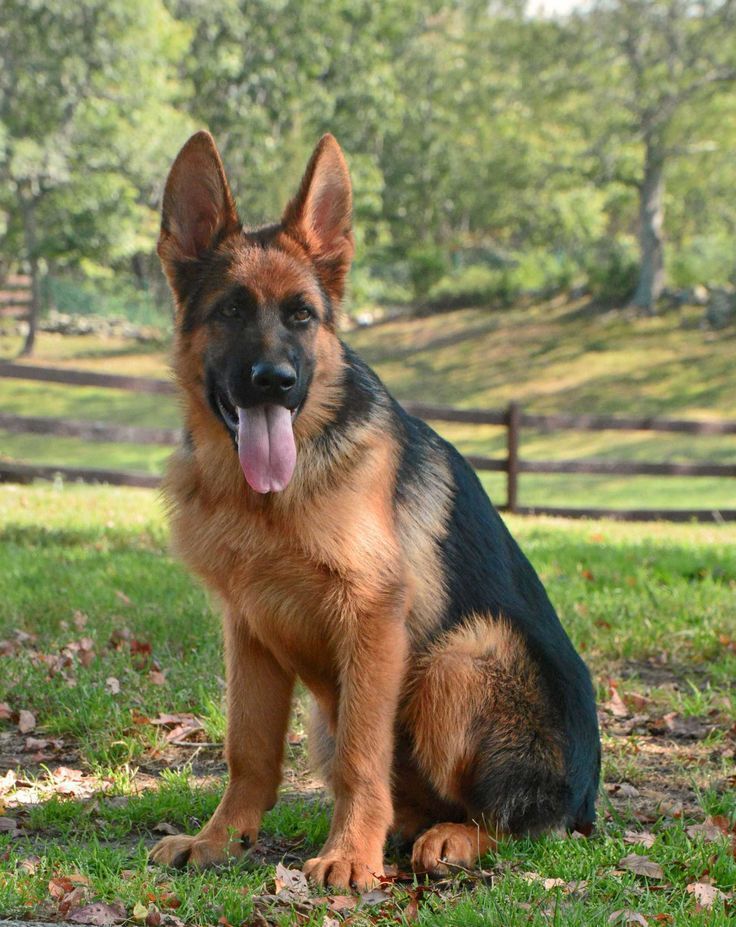
German Shepherd: The Loyal Guardian and Devoted Companion
One of the most recognized dog breeds in the world, the German Shepherd is famous for its intelligence, loyalty, and versatility. Bred in Germany to herd sheep, this working breed has become a popular choice for police, military, and service work. It is also a beloved family pet.
This breed belongs to the herding group and is praised for its bravery, athleticism, and ability to be trained. German Shepherds are perfect for active families and individuals who want a loyal, protective, and energetic dog that thrives on mental and physical activity.
Evolution and Origins
The German Shepherd was developed in Germany in the late 19th century by Captain Max von Stephanitz, who wanted to create the ideal herding dog. By crossbreeding different types of sheepdogs, he developed a breed known for its intelligence, strength, and obedience.
Soon, people recognized the breed’s skills beyond farming. German Shepherds served in World Wars I and II as messengers, guard dogs, and search-and-rescue animals. Their performance during these conflicts gained them worldwide respect. Over time, they moved into roles in law enforcement, the military, and disability assistance, especially as guide dogs for the visually impaired.
Appearance
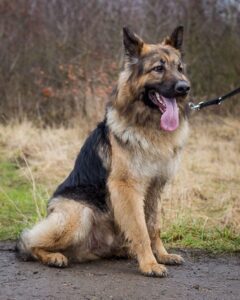
German Shepherds have an elegant yet muscular build. They are strong, agile, and graceful, with a slightly elongated body and bushy tail. Their medium-sized, upright ears and intelligent eyes give them a watchful and noble appearance.

Size:
Males: 65–90 lbs, 24–26 inches
Females: 50–70 lbs, 22–24 inches
Coat & Colors:
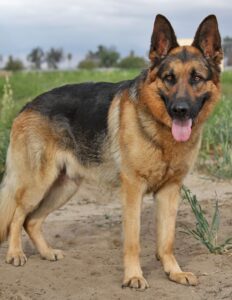
They have a double coat, with a dense outer coat and a softer undercoat. Their fur comes in various color combinations, such as:
– Black and tan (most common)
– Sable
– Black
– White
– Grey
Their fur sheds heavily throughout the year, especially during seasonal changes.
Temperament
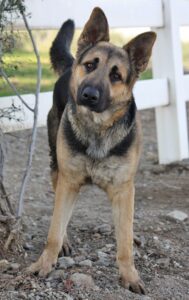
German Shepherds are confident, brave, and calm. Their loyalty to family and protective instincts make them ideal guard dogs. They can be cautious around strangers but are loving with their family members.
Key Personality Traits:
– Highly trainable
– Strong protective instinct
– Great with older children
– Reserved with strangers
– Needs purposeful work or tasks
Due to their high intelligence and desire to work, they excel in obedience training and enjoy having tasks like agility, herding, or puzzle games.

Common Health Issues
While generally healthy, German Shepherds are prone to some genetic conditions:
– Hip and elbow dysplasia – common in large breeds; causes pain and mobility issues
– Degenerative myelopathy – a progressive spinal cord disease
– Gastric dilatation-volvulus (bloat) – a potentially life-threatening stomach condition
– Pancreatic insufficiency – leads to digestive problems
– Allergies and skin issues
Regular vet checkups, a healthy diet, and responsible breeding practices are important for lowering these risks.
Training and Exercise
German Shepherds are among the most trainable dog breeds. They quickly pick up commands and excel in structured environments. Early socialization and positive reinforcement are key to raising well-behaved adults.
Exercise Needs:
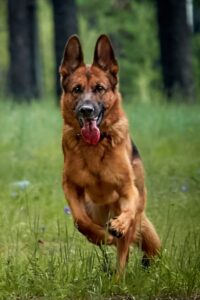
– Minimum 1.5–2 hours daily
– Activities such as walking, hiking, fetch, agility, and obedience training
Without enough exercise, they may develop behavioral problems like barking, chewing, or digging.
Grooming and Maintenance
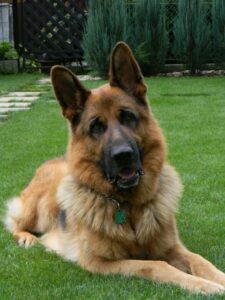
While they don’t require much bathing, German Shepherds do need regular brushing because of their shedding.
Grooming Tips:
– Brushing: 2–3 times a week (daily during heavy shedding seasons)
– Bathing: Every 6–8 weeks
– Nail trimming: Monthly
– Ear cleaning: Weekly
– Dental care: Brush teeth 2–3 times a week
Their coat naturally resists dirt and water to some degree, but regular grooming helps manage shedding and keeps them looking sharp.

Diet and Nutrition
German Shepherds need a balanced, high-protein diet for energy and muscle growth. Look for quality kibble with real meat as the first ingredient, and stay away from fillers like corn and soy.
Key Nutritional Needs:
– Protein: for muscle maintenance
– Fatty acids: for joint health and coat shine
– Fiber: for healthy digestion
– Glucosamine and chondroitin: for joint support
Always adjust the amount of food based on your dog’s age, size, and activity level, and watch treats to prevent obesity.
Is a German Shepherd Right for You?
A German Shepherd makes a great companion for:
– Active individuals or families
– People seeking a loyal, protective dog
– Owners willing to dedicate time to training and exercise
– Homes without small, unsupervised pets (due to prey drive)
Not suitable for:
– Those wanting a low-maintenance pet
– People who regularly leave dogs alone for long hours
Final Thoughts
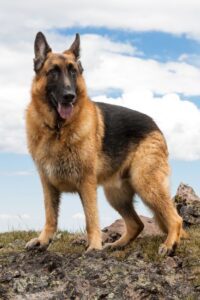
The German Shepherd is more than just a working dog. It is a loyal friend, a family protector, and an eager learner. With proper training, socialization, and care, this breed can be a loving and dependable member of any household.
Whether you are hiking in the woods or relaxing on the couch, a German Shepherd will always be by your side, watchful and full of heart.