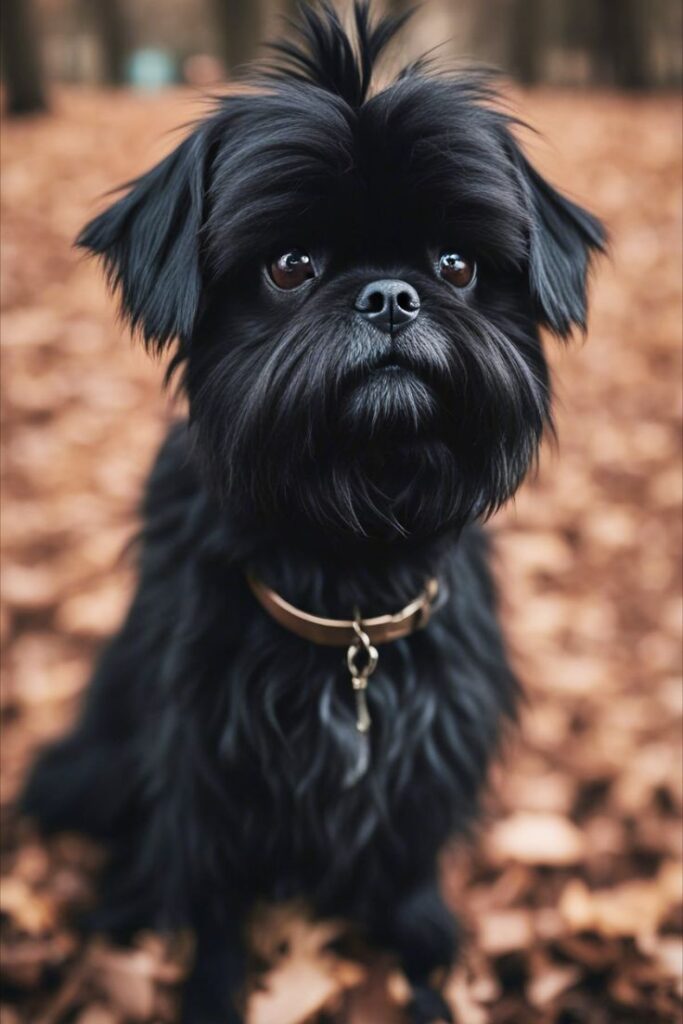
In Germany, Affenpinschers were used to catch rats and mice in stables.
| Kingdom |
|
| Phylum |
|
| Class | Mammalia |
| Order |
|
| Family | Canidae |
| Genus |
|
| Scientific Name |
|
Affenpinscher Locations
Europe

Evolution and Origins
Affenpinschers were first bred in the 1600s in Germany to get rid of pests like mice and rats, some of which were bold enough to scurry up homeowners’ legs. However, their friendly and devoted nature made them popular as domestic companions, in addition to being effective pest controllers.
Their name comes from the German word “affen,” which means monkey or ape, and translates to “monkey dog.”
Size and Weight
| Height (Male) | 11.5 inches tall |
| Height (Female) | 11.5 inches tall |
| Weight (Male) | 10 pounds, fully grown |
| Weight (Female) | 10 pounds, fully grown |
Common Health

Issues
Affenpinschers have some common health issues that their owners should know about. The first issue is patellar luxation, which means a dislocated knee.
Knee dislocation happens when the dog’s kneecap shifts out of place while running or trotting. Sometimes, an Affenpinscher can move it back into place on its own. In other cases, surgery may be required.
Another health concern is corneal dystrophy. This genetic condition occurs when crystals form on the dog’s cornea. These crystals can affect the Affenpinscher’s vision, and sometimes surgery is needed.
Hip dysplasia is another common issue for this breed. This condition occurs when the hip joint is out of alignment. Hip dysplasia can lead to arthritis as the dog gets older. Limping and limited movement are signs of this condition.
The most common health issues include:
– Patellar luxation
– Corneal dystrophy
– Hip dysplasia
How to Take Care of an Affenpinscher
Caring for an Affenpinscher is easier when an owner understands the specific diet, exercise, and healthcare needs of this breed. Whether you have a puppy or an adult Affenpinscher, creating a daily care plan can help keep your pet healthy and happy.
The Best Dog Food for Affenpinschers
Affenpinscher puppies and adult dogs have different needs when it comes to food, exercise, and healthcare. Here are some of the important nutrients in their daily diets.
Affenpinscher puppy food: Protein should be the main ingredient in any good puppy food for Affenpinschers. The amino acids in protein help build strong muscles and tissue. Protein may also help prevent hip dysplasia.
A limited amount of fat gives a puppy energy and helps them absorb vitamins from their food. Calcium and vitamin D support strong bone growth, which is especially important for this breed due to its risk of developing patellar luxation. Vitamin A supports eye health, while fiber helps with digestion.
Affenpinscher adult dog food: Protein is just as important for adults as it is for puppies. Protein from meat, rice, and potatoes keeps muscles and tissue strong.
Vitamin E helps maintain skin health, and vitamin A supports eye health. This is crucial for preventing corneal dystrophy in this breed. A limited amount of fat provides energy without adding excess weight.
This food includes vitamins E, C, D3, and B12 along with vitamin A and taurine, which Affenpinschers need for healthy eyes since they often develop corneal dystrophy.
Maintenance and Grooming
How much does an Affenpinscher shed? Although this dog is considered hypoallergenic, it sheds a bit more than average during seasonal changes. Grooming twice a week keeps its medium-long, wire-haired coat in good shape.
A grooming routine should include brushing the dog with a slicker brush to remove loose and dead hair. Next, use a metal comb with fine and medium teeth to reach into the dog’s coat. These two grooming tools help prevent tangles and maintain a healthy coat. Start at the pup’s head and brush toward its tail.
Training
Affenpinschers are relatively easy to train. Owners should remember that these dogs respond best to short obedience training sessions. Short sessions help keep the Affenpinscher from becoming bored and distracted.
Words of praise and favorite treats can be very effective during training. It’s helpful to reserve a specific treat to use only during training sessions. This way, the Affenpinscher knows it’s time to train when the treats appear.
The Cairn terrier is another smart dog, similar to the Affenpinscher, that learns better with brief training sessions.
Exercise
These charming dogs need a moderate amount of exercise each day for good health. This means around 20 to 30 minutes of activity. Walking around the neighborhood, strolling in the woods, or playing fetch are all good choices. Since they have a short stride, long jogs are not suitable. The dog can easily get worn out!
In terms of apartment living, an Affenpinscher is an excellent choice. This pet doesn’t require much space to move around, making an apartment an appropriate environment. This breed is perfect for people who enjoy taking their dog along wherever they go.
Puppies
As a Toy breed, Affenpinscher puppies are particularly small. Owners must take extra care to keep them safe while allowing them to explore their surroundings.

Children
Affenpinschers are a good fit for families with older children. Younger kids and toddlers often treat small dogs like toys. An Affenpinscher that is roughly handled by a young child can become nervous and jumpy. Even if the child means no harm, the Affenpinscher might feel scared and react defensively.